A Guide to Outdoor Entertaining
A Guide to Outdoor Entertaining
The Appeal of Outdoor Entertaining

Movie nights on the lawn. A lively game of volleyball. Intimate conversations around the outdoor fire pit. These are just a few examples of outdoor entertainment, and with the growing popularity of outdoor rooms, hosting gatherings outside has become more appealing than ever.
Whether it's a screened-in porch, an outdoor room, a covered gazebo, or a simple sitting area under the stars, a well-designed outdoor entertainment space extends your home's living areas. However, the outdoors adds a unique, almost wild element to the experience - think butterflies fluttering over rose bushes or squirrels scampering up tree trunks. It also brings challenges like pests, including mosquitoes, hornets, and wasps. If unaddressed, these can quickly spoil the fun.
Successful outdoor entertaining is a balancing act. As the host, your role is to create a magical atmosphere while minimizing nuisances.
Pre-Party Preparations
Preparing in advance ensures you and your guests enjoy the gathering to the fullest. Set up tables, chairs, food, serving items, and décor. But remember, food and drinks can attract bugs like mosquitoes and yellow jackets, so include pest control in your prep.
Even if your event is in a semi-enclosed space like a screened-in porch, it's wise to plan for bugs - guests might spill out into the yard as the party evolves.
Bug Lanterns, Candles, and Other Pest-Control Methods
Electric bug zappers can eliminate pests by positioning them around your yard's perimeter, though they also kill beneficial insects like bees.
Citronella or geraniol candles are popular alternatives. Lesser-known options, such as vanilla extract, sage, or rosemary, work well too—these smell pleasant and enhance the party's ambiance.
Simple tricks include covering food with a colander or placing sugar water at the yard's edge to lure bugs away.
Popular Outdoor Spaces
Your Back Patio
Most backyards feature a patio, even without more elaborate elements like decks or gazebos. The term "patio" derives from the Spanish word for "back garden," evoking enclosed European courtyards. While U.S. homes rarely mimic this exactly, patios still maximize outdoor enjoyment.
Basic patios might be simple concrete slabs, but elaborate ones use river stone, bricks, or luxury materials. They typically connect to the home via a back or side door.
Some include roofs or awnings, while others are open-air, surrounded by bushes and plants. In advanced forms, patios evolve into outdoor living rooms or kitchens with brick pizza ovens, grills, gas stoves, couches, fire pits, and more.
Designs vary—L-shaped patios link exterior walls of rooms like the kitchen and den, sometimes with doors to each, expanding livable space exponentially. Other shapes include round, detached, or multilevel for visual interest.
Patios can also blend into screened-in porches, combining ground-level accessibility with protection from elements and pests.
Gazebos and Other Partially Covered Outbuildings
Gazebos vary widely, from ornate structures with carved wooden pillars, wood floors, and open sides to versions with curtains for privacy and bug protection.
You can purchase basic gazebos from home improvement stores, often without flooring, placing furniture directly on grass or ground. More elaborate ones include foundations, solid ceilings, and even enclosed walls.
While many lack built-in power, they offer charm and shade, ideal for armchairs, loveseats, and coffee tables. Powered gazebos can host hot tubs, adding luxury.
The Back Deck
In urban areas, back decks are essential. Similar to patios but often more luxurious, they're built from materials like tropical hardwoods, cedar, redwood, or aluminum.
Decks may connect upper-level doors to the yard below, unlike ground-level patios. They provide a homey vibe without a porch's bulk, with built-in areas for plants or shrubs.
For low-maintenance lovers, large decks can replace lawns entirely.
Backyard Porches and Screened-In Porches
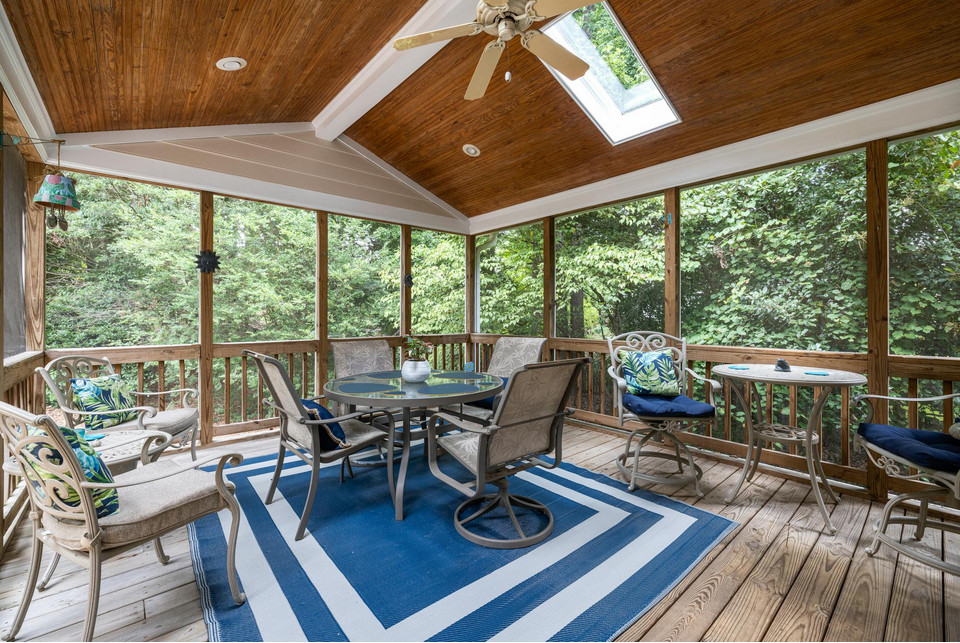
Nothing rivals a classic porch for relaxed vibes - sipping lemonade, watching thunderstorms, or kids chasing fireflies.
Porches excel for entertaining due to their welcoming feel. Turn-of-the-century homes often featured wraparound porches, some screened, others open.
Modern backyard porches frequently include screens, making them ideal for bug-free gatherings. Screened-in porches stand out as a premier option for outdoor entertaining. Built from the same materials as the house, they offer seamless integration with indoor spaces while providing enclosure against pests and weather. This makes them perfect for extended evenings, protecting food, drinks, and guests without sacrificing fresh air.
Screens allow breezes and views while blocking insects, creating a "best of both worlds" space. They can include seating, tables, and even lighting or fans, turning them into versatile entertainment hubs. For emphasis, consider adding string lights, comfortable cushions, and potted plants to enhance the cozy, inviting atmosphere - making your screened porch the star of any outdoor event.
Bringing It All Together
Nothing beats outdoor parties, especially after winter thaws. The spaces above - patios, gazebos, decks, and especially screened porches—make excellent entertainment areas. Here are tips to maximize them.
Spaces connected to the home (via doors) easily become extensions of indoor living. To create visual continuity:
- Paint exterior walls to match interiors.
- Extend brick or tile patterns outdoors.
- Use matching accents like pillows, blankets, or tablecloths.
- Install French doors to open walls between rooms, like the living room and patio.
Making a Pool Area More Comfortable
Outdoor spaces near pools or hot tubs convert to lounges easily. Gazebos often house hot tubs, but any deck, patio, or porch works with weather-resistant chairs, sofas, and benches.
Choose outdoor-upholstered furniture, especially near water, to prevent damage.
Seating Areas and Other Concerns
Outdoor living rooms and kitchens need dedicated seating. Kitchens benefit from dining tables, benches, or side tables; lounges from cushions, blankets, and fire pits.
For safety with fire pits: Provide extinguishers or water buckets, ensure clear walkways, position seating away from flames to avoid sparks, and avoid ground-level pits in high-traffic lawn areas.
Expand seating with blankets, guest-brought lawn chairs, or indoor options. Embrace casualness - mismatched or paper dishes are fine, easing cleanup.