Insect Screen
Screen Porch Screen Material
What's the difference between screen mesh?
How to select the best screen material for your screen porch screen project
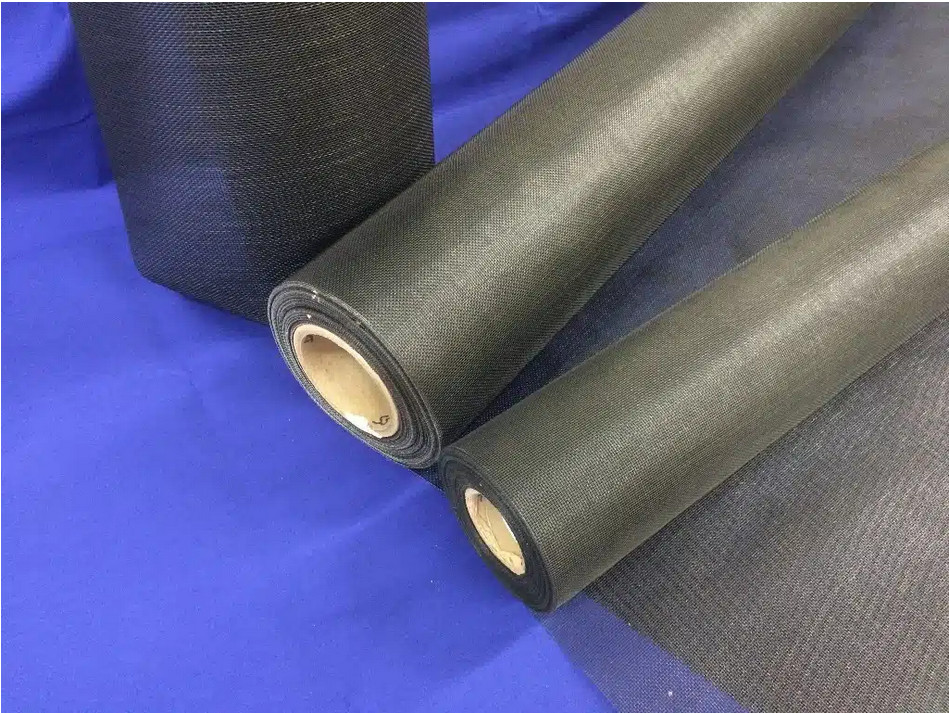
Screen material is a critical choice when planning your porch screening project or making repairs to an existing screen porch. Selecting the right insect screen can be one of the toughest decisions, with numerous screen styles and types available. For optimal performance, focus on premium and durable Polyester Insect Screen to ensure long-lasting protection and visibility.
Fiberglass Screen Material
Fiberglass screen material is a popular choice for porch insect screens due to its affordability compared to metal screen mesh. Its flexibility makes fiberglass insect screen easier to install, and it resists creasing or denting - common issues with metal screen. Available in roll widths up to 108", fiberglass screen offers versatile coverage. However, fiberglass insect screen material has limitations: it’s less resistant to physical damage, degrades over time from UV exposure, and can tear if not installed properly.
The 4 most common fiberglass screen material include:
- High Clarity Screen: Excellent view / very low durability.
- Standard Window Screen: Good view / average durability.
- Pool & Patio Screen*: Good view / good durability.
- No-See-Um Screen**: Acceptable view / good durability.
Polyester Screen Material
Modern polyester screen material is the top choice for porch insect screens, outperforming all other screen materials in porch applications. Polyester insect screen offers the same benefits as fiberglass screen - easy installation, high flexibility, and resistance to creasing or denting - while delivering superior strength and durability. You cannot rip, tear, or damage polyester screen under normal use; only a knife or sharp object can penetrate it. All polyester insect screen materials are pet-resistant and feature a minimum 10-year lifespan, with 20+ years being common. Available in rolls over 10 feet wide, polyester screen provides unmatched coverage and longevity for your porch.
The 3 most common polyester screen materials include:
| Pool & Patio Screen: Good view / superior durability. Considered the standard material for porch, patio, deck, and pool enclosure applications. Will prevent all typical bugs such as flies, mosquitoes, bees, etc. (SHOP HERE) | |
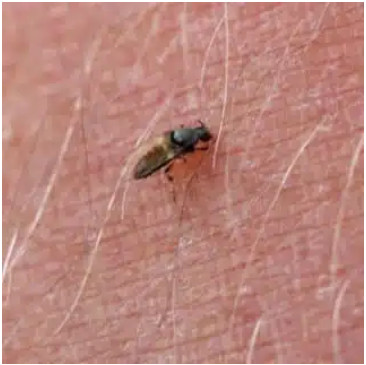
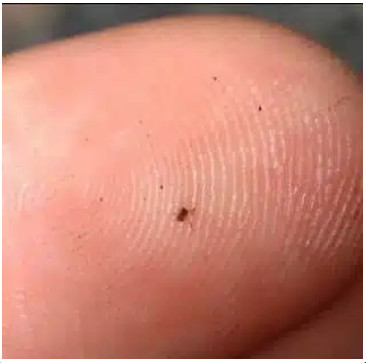
| No-See-Um Screen: Acceptable view / superior durability. Used in applications where black flies (below left) or no-see-ums (below right) are present -or- when privacy is desired. Because the weave is tighter to stop smaller bugs, view is reduced noticeably. (SHOP HERE) | |
| "Super" No-See-Um Screen: Acceptable view / superior durability. Offers the ultimate insect protection. Extremely tight weave stops even the tiniest of insects. Also used in applications where additional privacy is desired. Because the weave is extremely tight, view is reduced noticeably more than standard "No-See-Um screen". (SHOP HERE) |
| Black Flies | No-See-Um |
 |
 |
Screen Material Recommendation
You should make your decision based upon budget, application, expected useful life, and potential abuse, etc. All 6 of the most common screen materials noted above will all work perfectly with the SNAPP screen Track and are all commonly available from most home centers or building suppliers.
Our recommendation to all customers is to use our Polyester Pool & Patio Screen, our Polyester No-See-Um Screen, or our Polyester "Super" No-See-Um Screen. Not because they are the only materials we sell, but because all three products have proven track record of durability and expected life. While the Polyester Screen may be more expensive up front, the useful life of the product makes it a far better value.
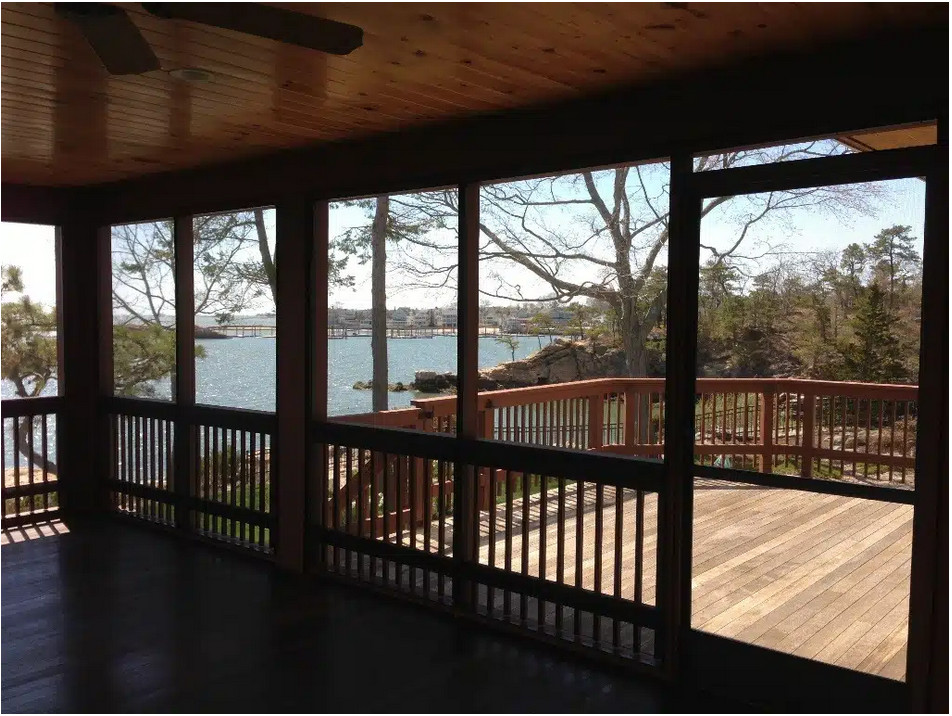
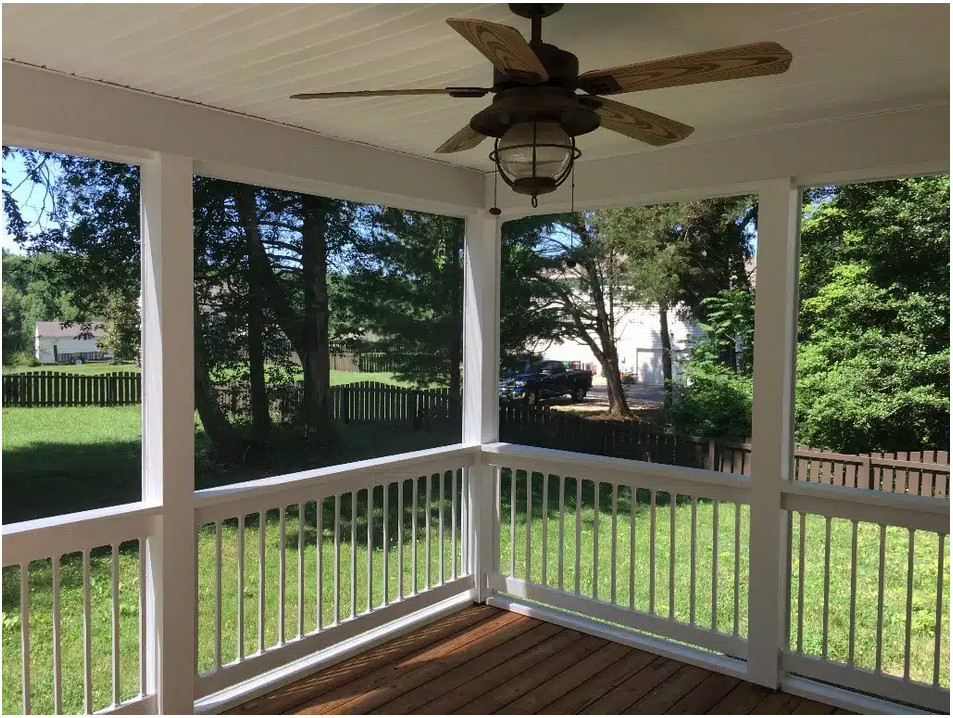
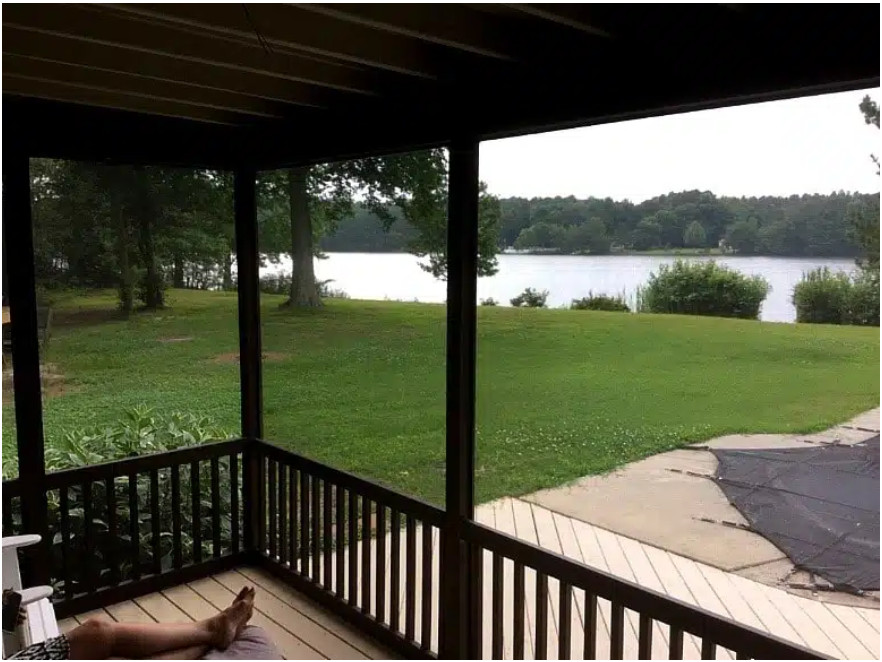
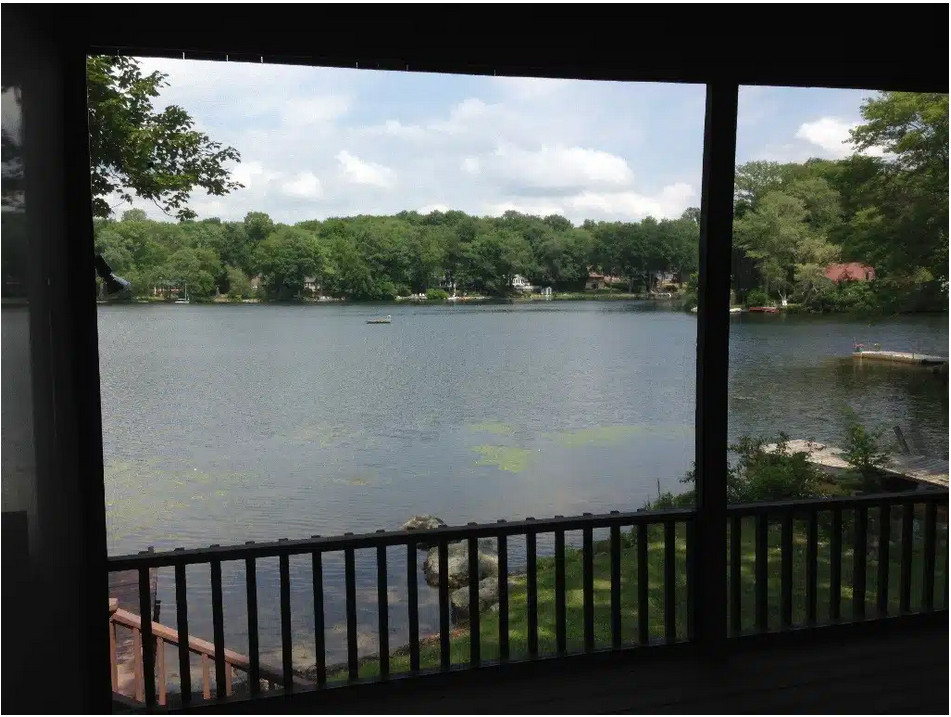
How will our Polyester Pool & Patio, No-See-Um and Super No-See-um Screen look when installed? See the 3 videos above and browse the photos throughout the web site. (Most porches on this site have Polyester Pool & Patio Screen installed)
How to Clean Screen
Basic cleaning is required and should be performed as needed based upon your location and exposure to pollutants, debris, and usage. At a minimum, seasonal cleaning should be performed to ensure no buildup of pollen or debris.
Extrusions and screening should be hosed off as required to retain a clean appearance. Best practice is to hose off from the inside spraying water outwards if possible. If a more intense cleaning is required, mix 1 cup of mild detergent with 1 cup of bleach with 3 gallons of water. This can be applied with a soft sponge or soft car washing brush – after first spraying off as much debris as possible with your hose. Wipe or brush down all extrusions and screening using moderate pressure – heavy or intense scrubbing is not required. Hose off all areas thoroughly with clean water and let air dry.
Never power wash or use any harsh or caustic cleaners, stiff or abrasive brushes or scouring pads. The use of any other product or cleaning method beyond that which is specifically noted above may cause damage to screening or the applied extrusion finish.
Situational pages that help you install SNAPP screen Track
- Installation page: General installation instructions for SNAPP screen Track
- Floors: How to install SNAPP screen Track onto different styles of flooring
- Columns: How to install SNAPP screen Track onto different styles of columns
- Arches: How to bend SNAPP screen Track for arches
- Gazebos: Instructions specific for screening gazebos
- Screen: How to select screen material for your porch project
- Painting: What to do if you need your SNAPP screen Track in a custom finish