Are No Spline Screening Systems As Good As Claimed
Are “No Spline” and "Cap" Screening Systems as Good as Claimed? A Deep Dive into DIY Screen Porches
Part 1 of the series: Spline vs. The Hype
Cutting Through the Noise on Why Spline and Spline Tools Aren't as Daunting as Claimed - Your Guide to Hassle-Free Screening using the proven process
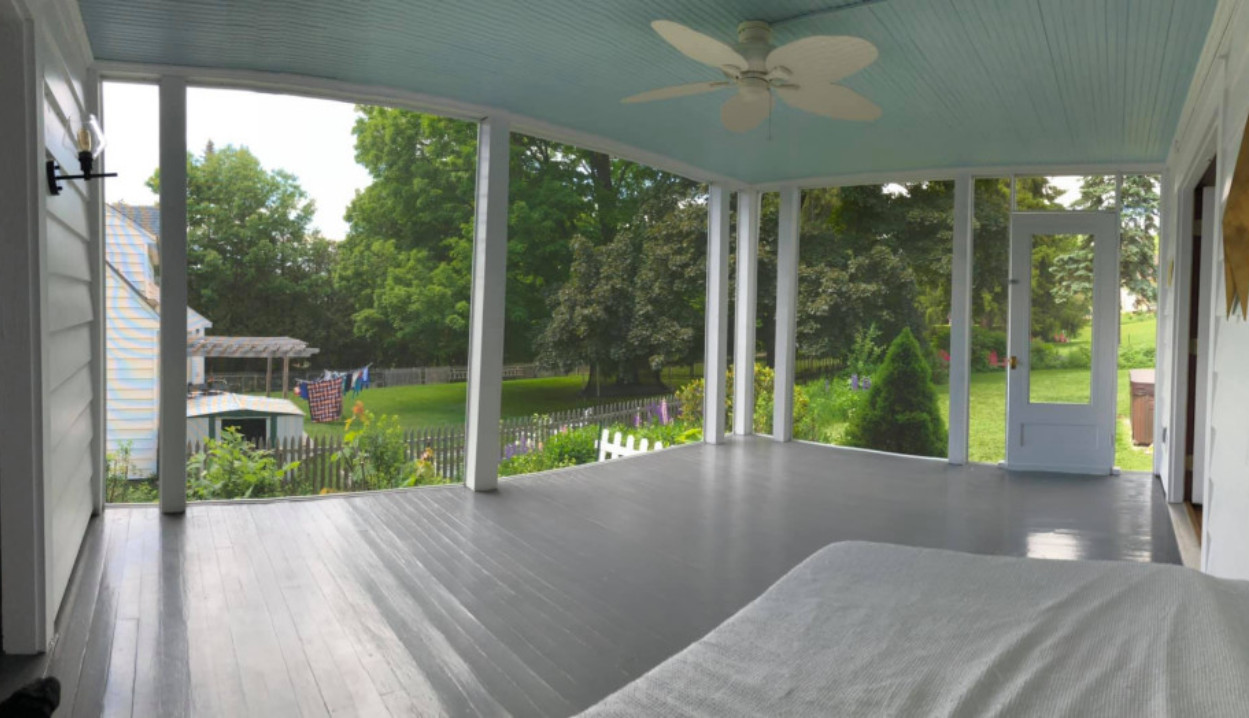
When it comes to creating a bug-free oasis on your porch or patio, choosing the right screening system is crucial - especially for DIY enthusiasts tackling screen porch projects and professionals whose reputation can hinge on every job. With so many options out there, from traditional spline methods to "no-spline" novelties, it's easy to get overwhelmed. In this post, we'll break it down step by step: starting with the basics of extrusion, screen, and spline technology, then exploring the drawbacks of no-spline and cap systems (backed by real user reviews and documentation) and finally highlighting why SNAPP® screen Track stands out as the superior choice for durable, easy-to-install DIY screen porches. If you're searching for the best porch screening system that combines reliability with simplicity, read on.
The Fundamentals: How Spline, Screen, and Frame Work Together in a Proven System
Before diving into comparisons, let's ground ourselves in the basics of screening technology - a foundation that's been trusted for decades in DIY screening and professional porch enclosures alike.
Screen framing channels (also known as extrusions, tracks, or sticks) come in hundreds of varieties, typically made from aluminum, PVC, or other durable materials. These channels feature grooves designed to hold the screen in place. Pairing them with spline - the flexible cord that locks everything together - is where the magic happens. Spline options are vast: round, square, flat, triangular, ribbed, hollow, foam-core, and more, available in a multitude of sizes from 1/8” to 1/2” and sometimes even larger. Each type is engineered to match specific channel dimensions and screen thickness for a secure fit. (shown here L to R: ribbed-hollow, flat, and solid-smooth)


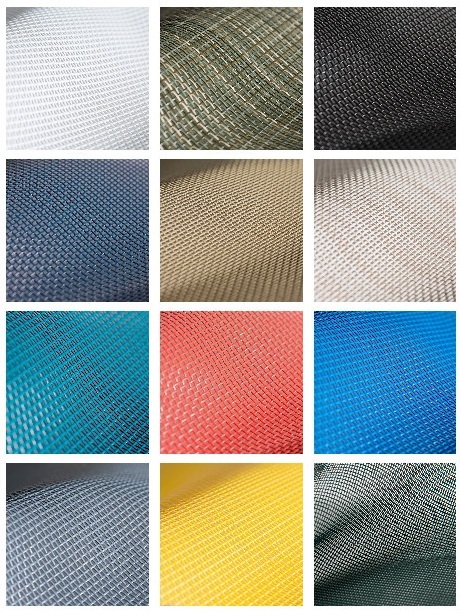
Screen materials have evolved dramatically too. Gone are the days of limited metal or fiberglass options; today, polyester screen dominates the market for porch enclosures, offering superior strength, UV resistance, and flexibility. It comes in various gauges (thicknesses) from ultra-fine 0.006" for maximum visibility to heavy-duty 0.024" for pet-resistant applications, with options for UV reduction and added privacy. Colors, widths, and specialty types (like solar-blocking, privacy or pollen-filtering) can be overwhelming, but customization possibilities are like never before. (Color options shown)

Here's the proven process: Select a frame channel, lay in your chosen screen material, and roll in the spline that is specified for the screen and frame channel design. Voilà - the screen is locked securely without staples, nails, or adhesives. The beauty of this system? It's adaptable. In most cases, if you switch to a thicker or thinner screen, you simply use a larger or smaller spline of the same style. This flexibility has made traditional spline methods the go-to for reliable screen porches for generations, with minimal tools required for installation or repairs.
Rise of the "No-Spline" and "Cap" Systems: Innovation or Overhyped Headache?
No-spline and cap systems promise a sleeker, spline-free alternative. Instead of rolling spline into grooves, these setups may use a base aluminum channel where the screen is laid flat, then secured by snapping on a vinyl or PVC cap. It's marketed as easier for DIY screen porches, with a clean, professional look and no visible spline. Advocates frequently tout the quick snap-on process, which can appeal to beginners seeking a tool-light setup with potentially faster installation times.
On paper, it sounds great. But dig into real-world user experiences - from Home Depot reviews, Reddit threads, contractor forums, and YouTube comments - and a different picture emerges. While some praise the aesthetics, consistent complaints highlight deficiencies that can turn a simple DIY project into a frustrating ordeal, especially in varying climates or over time.
- Cap Installation and Durability Issues: Many users report caps that won't snap in properly, requiring excessive force or even modifications. One Home Depot reviewer noted, "issues with the caps not snapping in place." Similarly, in a Fine Homebuilding forum, an installer shared, "I'm an amateur home improver with a problem installing the cap onto the top track... I can't seem to get it hammered into place with the mallet." A YouTube commenter on a manufacturer tutorial echoed, "Any tips on getting the caps on? I am fighting with getting them to snap in." Cold weather exacerbates this; manufacturer documentation warns that low temperatures can make vinyl caps brittle, leading to splitting or cracking during installation.
- Popping Off and Long-Term Failure: Once installed, caps can detach due to temperature fluctuations, wind, or expansion/contraction. A manufacturer’s own blog addresses this, noting that improper mounting causes "panels blow out or caps coming loose." Other online reviews mention caps needing to "trim them to keep from popping out," with some users dealing with off-color batches that don't match. In a contractor discussions on ContractorTalk, one pro warned that caps can "distort on the end pieces which looks like cr*p and can cause the screen to show the distortion."
- Limited Compatibility and Repair Challenges: These systems often struggle with varying screen thicknesses or types due to a fixed cap design, unlike spline which can be changed based upon screen style and gauge. For longer runs, dealing with cap seams becomes an issue due to product stock lengths and the flotation of PVC during temperature changes. Then there’s cap misalignments from cutting base and cap together as many commenters note "caps moving during cutting,".
- Some commenters even add corner caps or customizations as a workaround to prevent pop-offs. Rescreening is a whole other can of worms. The process requires carefully prying off caps, risking breakage – many users complain of "caps shattering when rescreening is needed."
These issues aren't isolated; they're echoed across many public platforms, showing that while no-spline systems may shine in ideal conditions, they can also fall short of expectations.
Why SNAPP® screen Track is the Better Choice: Proven Spline Technology Meets Modern Innovation
Discover SNAPP® screen Track: A patented screening system for seamless DIY porches. If newer isn't always better, then SNAPP® screen Track proves it by blending time-tested spline retention technology with smart, user-friendly design. This patented (US 8,484,926) one-piece durable aluminum track attaches directly to your porch opening or any prefabricated frame, uses self-expanding spline to lock screen taut, and eliminates the need for caps, covers, or complex additional parts. Made in the USA, it's engineered for pros and DIYers alike, making it the ideal solution for screening large porches, patios, or even irregular shapes.
Here's why SNAPP® screen Track outperforms no-spline systems, backed by real world user reviews. Unlike cap-based 'snap' systems that rely on vinyl components prone to weather failure, SNAPP® screen Track's integrated spline ensures a secure, maintenance-free hold - especially in tough climates like New England winters, where freeze-thaw cycles can wreak havoc on lesser designs:
- Superior Durability and No Fragile Parts: Without vinyl caps to crack, split, or pop off, SNAPP® screen Track avoids the common pitfalls of no-spline designs. Users rave about its longevity: In a 2-year follow-up video, Tyler from Connecticut said, "The screen still looks great… I have had to do virtually nothing to them other than… spray out some pollen… that’s it. No sagging, no issues whatsoever." Built from heavy-duty extruded aluminum (powder-coated for rust resistance), it handles extreme weather - from Upper Mid-West winters to Texas heat - without warping or weakening.
- Easy DIY Installation and Repairs: SNAPP® screen Track simplifies the process: Screw the low-profile track to your structure, lay the screen, and roll in the self-compacting spline - it expands for a wrinkle-free fit. No special tools beyond a hack saw, razor knife, screwdriver and spline roller. Kevin from Tennessee called it "super simple & easy DIY," noting how it handled non-square openings effortlessly in one afternoon. For rescreening? Just remove the spline and reinstall - no prying brittle caps. Dane from Texas added, "I mean, I did it… that speaks volumes!" after tackling his uneven house with basic skills. Pros like Kobel Construction praise it for boosting productivity: "Fantastic product… highly recommended. Couldn’t be happier. Customers pleased. Beautiful product. Easy to use. Big screens."
- Ultimate Compatibility and Versatility: Unlike no-spline limits, SNAPP® screen Track works with all modern fabric screen types and gauges - fiberglass, polyester, solar, pet-resistant, you name it. Adjust spline size for perfect retention. It excels on large spans (limited only by screen availability), arches, angles, and butt-joint corners without extra posts or parts. Don from Lakeside, Texas, loved how it created "perfect tight screens" on his complex screen porch.
- Low Maintenance and High Value: With a sleek, minimal-visibility profile, SNAPP® screen Track enhances your porch's aesthetics while adding home value - bug-free outdoor spaces are a hot selling point. Users report "virtually no maintenance" and pro-level results that last. It's cost-effective too, cutting install time for contractors and saving DIYers from pricey fixes.
In short, SNAPP® screen Track delivers the reliability of proven spline technology without the drawbacks of no-spline systems. It's adaptable, resilient, and user-approved for transforming any space into a functional screen porch.
Sometimes, newer and cooler aren’t the best solutions, especially when tried-and-true methods like those found with SNAPP® screen Track offer unbeatable performance for your DIY or professional screening needs. Ready to upgrade your porch? Aluminum SNAPP® screen Track is available in commercial powder coat finishes (white, black and bronze) as well as unfinished. SNAPP® screen Track can be purchased from our growing family of select regional suppliers, lumber yards, hardware stores, as well as Amazon, Walmart, eBay, and direct from SNAPP screen. Start enjoying bug-free bliss that lasts.
Check out customer testimonials on YouTube
Get INSPIRED by real diy customer projects
FAQ: Common Questions About Spline vs. No-Spline Screening Systems
| Aspect | No Spline / Cap Based Systems | SNAPP® screen Track |
|---|---|---|
| Core Technology | Aluminum or PVC base + snap-on vinyl cap | One-piece aluminum + self-expanding spline |
| Durability in Cold | Caps can be brittle/crack below 60°F and over time | Handles freeze-thaw without issues |
| Installation | Snapping / hammering risks breakage | Lay screen, roll spline |
Q1: What are the main differences between traditional spline systems and no-spline cap systems? A: Traditional spline systems use a flexible cord rolled into grooves to secure the screen, offering adaptability for different screen thicknesses and easy repairs. Screen retention problems can occur if spline is not properly matched for screen and track being used. No-spline cap systems lay the screen flat and snap on a vinyl or PVC cap, promising a clean look but can face issues like cap popping, brittleness in cold weather, and limited compatibility.
Q2: Why do no-spline cap systems sometimes fail in real-world use? A: User reviews highlight problems like caps not snapping on properly (requiring force or mods), detaching due to temperature changes or wind, and challenges with rescreening, where caps can shatter. These issues are common in varying climates, as noted in public forums and retailer feedback.
Q3: How does SNAPP® screen Track improve on traditional spline methods? A: SNAPP® screen Track is a patented one-piece aluminum system that uses self-expanding spline for a taut, wrinkle-free fit. It simplifies installation and eliminates fragile caps, making it more durable and versatile for irregular shapes or large spans.
Q4: Is SNAPP® screen Track suitable for cold climates? A: Yes, its heavy-duty powder-coated aluminum handles freeze-thaw cycles without warping or weakening.
Q5: Can SNAPP® screen Track work with different screen types, like pet-resistant or solar-blocking? A: Absolutely - it's compatible with all modern fabrics, including fiberglass, polyester, solar, and pet-resistant options. Simply adjust the spline size for the screen gauge, offering more flexibility than fixed-cap designs.