5 Surprising Environmental Benefits of Adding a Screened Porch
5 Surprising Environmental Benefits of Adding a Screened Porch
How a screened porch can lower energy use, cut chemical runoff, and help you live more sustainably - while creating your favorite bug-free outdoor space.
Many homeowners add a screened porch for bug-free relaxation, extra living space, or better outdoor enjoyment. But beyond comfort and convenience, a well-designed screened porch delivers real environmental wins. It’s one of the greener home upgrades you can make - often with lower material use and ongoing energy savings compared to fully enclosed sunrooms or room additions.
Here are 5 surprising ways a screened porch benefits the planet (and your carbon footprint).
1. Reduces Energy Consumption & Lowers Your Home’s Carbon Footprint
A screened porch acts as a natural buffer zone between your house and the outdoors. It shades nearby windows and walls from direct sun, keeping interior rooms cooler in summer without cranking the AC as hard. Natural cross-ventilation through the screens brings in fresh breezes, so you can open doors and windows more often instead of relying on air conditioning.
This passive design can lead to measurable drops in cooling costs. Unlike sunrooms, which often require heating/cooling systems and add to your HVAC load, a screened porch uses shade + airflow = less electricity used and fewer greenhouse gas emissions from power plants.
Real-world impact: In hot climates, this shading and ventilation helps reduce indoor temperatures and AC runtime.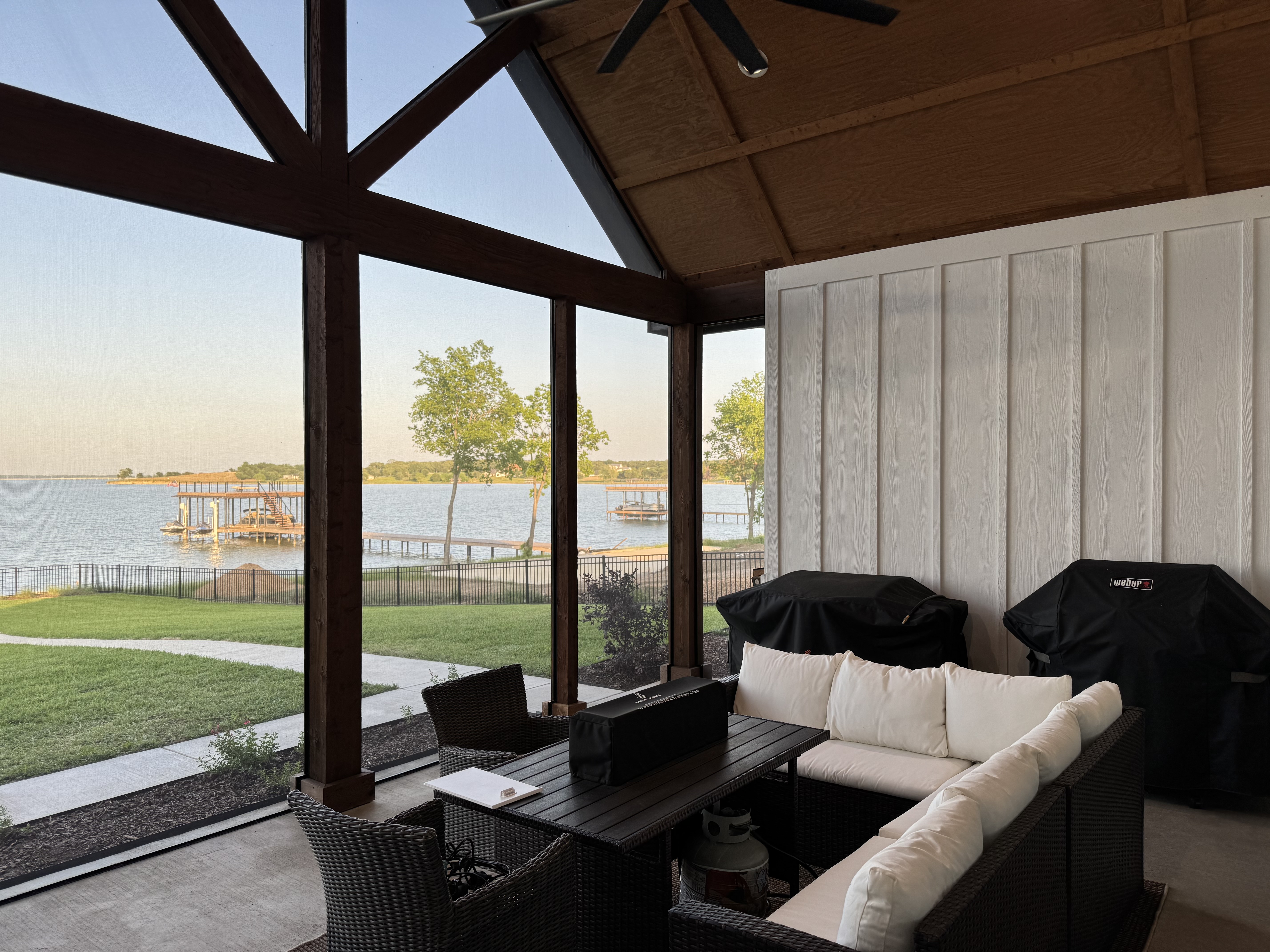
2. Cuts Down on Chemical Pesticide & Insect Repellent Use
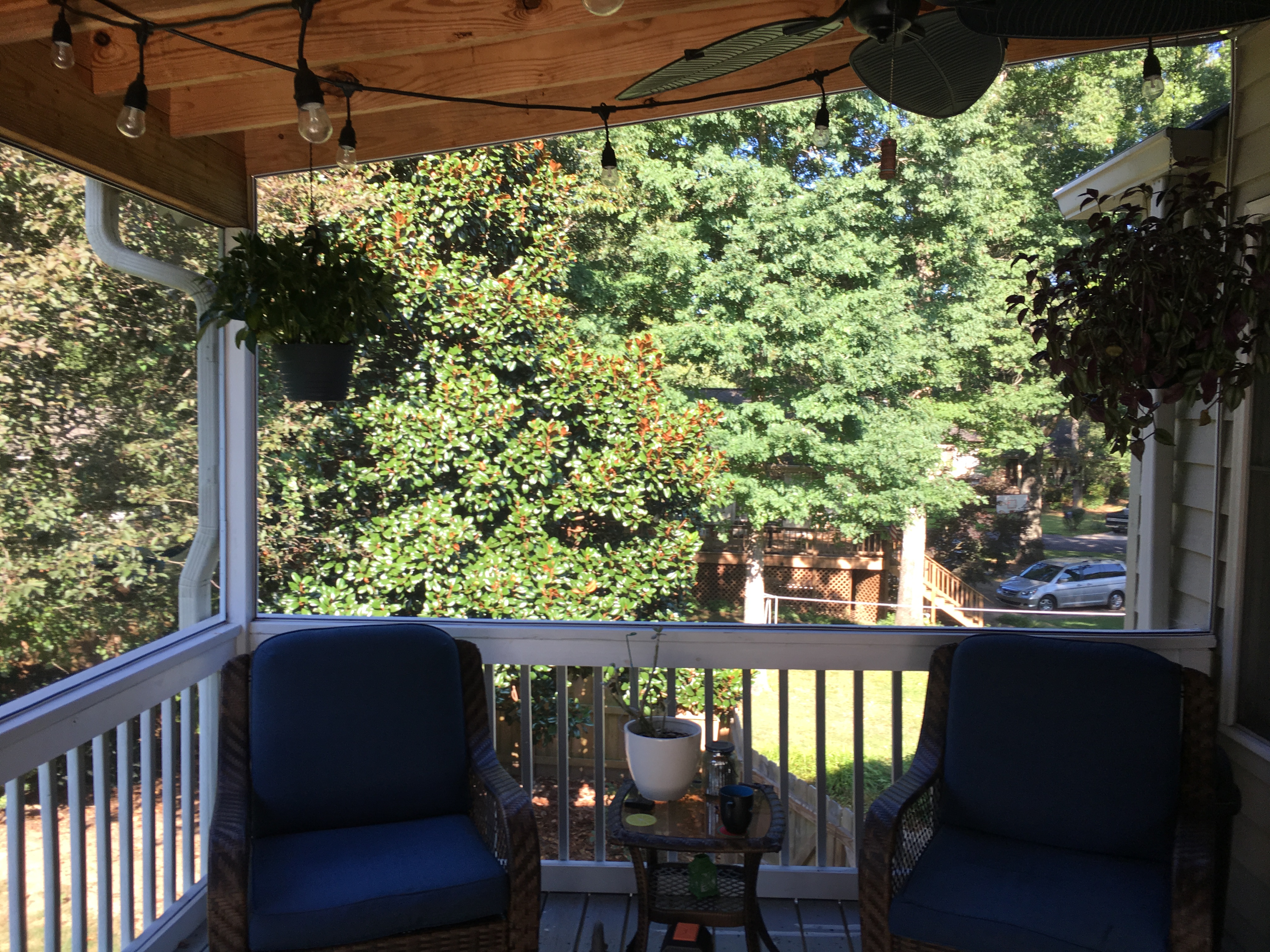
Mosquitoes, flies, and other pests drive many people to spray yards, burn citronella, or use chemical repellents. A quality screened porch creates a physical barrier, letting you enjoy evenings outdoors without those interventions.
Fewer chemicals sprayed around your home means less runoff into soil, waterways, and local ecosystems. It also protects beneficial insects like pollinators that might otherwise be harmed by broad-spectrum sprays. Reducing pesticide exposure supports healthier bee populations and overall biodiversity.
3. Encourages More Outdoor Time - Reducing Indoor Energy & Resource Use
When your screened porch becomes a favorite spot for meals, reading, working, or entertaining, you naturally spend less time inside running lights, TVs, computers, or full-home HVAC.
This shift promotes a lower-energy lifestyle. You might keep the house thermostat higher because you’re enjoying the shaded, breezy porch instead. Over time, these daily changes add up to lower household energy demand.
Plus, screened porches often use fewer building materials than a full room addition (no heavy insulation, drywall, or HVAC ductwork), so the upfront environmental cost of construction is typically lower.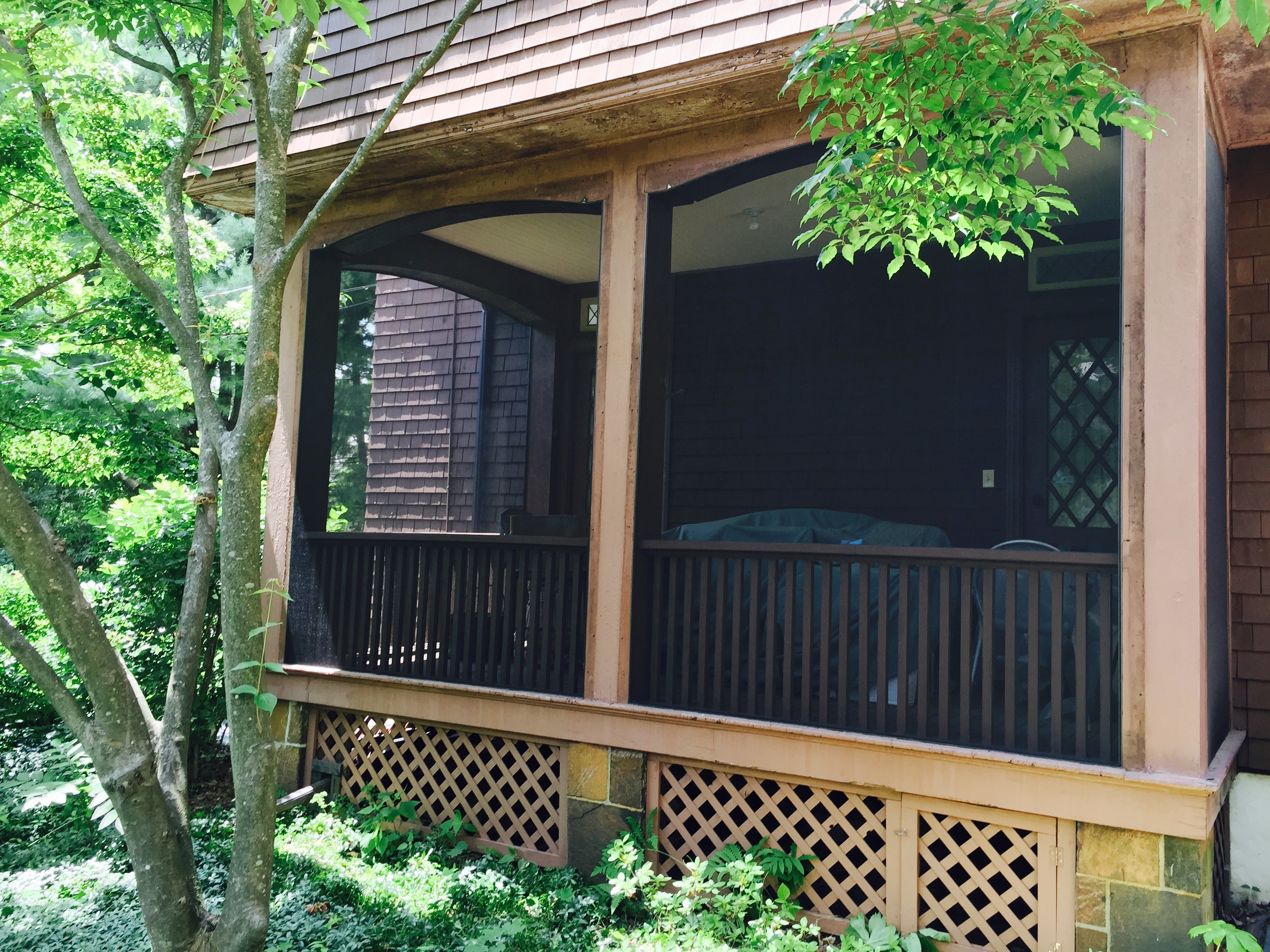
4. Supports Sustainable & Long-Lasting Materials
Modern screened porches pair well with eco-conscious choices:
• Durable polyester screens that last 10 - 20+ years with minimal replacement.
• Aluminum or PVC framing options that resist corrosion and require little maintenance.
• Opportunities to incorporate reclaimed wood, composite decking, or low-VOC finishes.
Because the structure is lighter and simpler, you can often screen an existing deck or porch without major new construction, preserving resources and minimizing site disturbance.
SNAPP screen Track systems add another eco advantage: they’re designed for fast, precise installation with virtually zero waste - no excess framing materials or heavy renovations needed.
When paired with native or low-water plants around or inside the porch, the whole space becomes a low-maintenance, water-wise extension of your yard.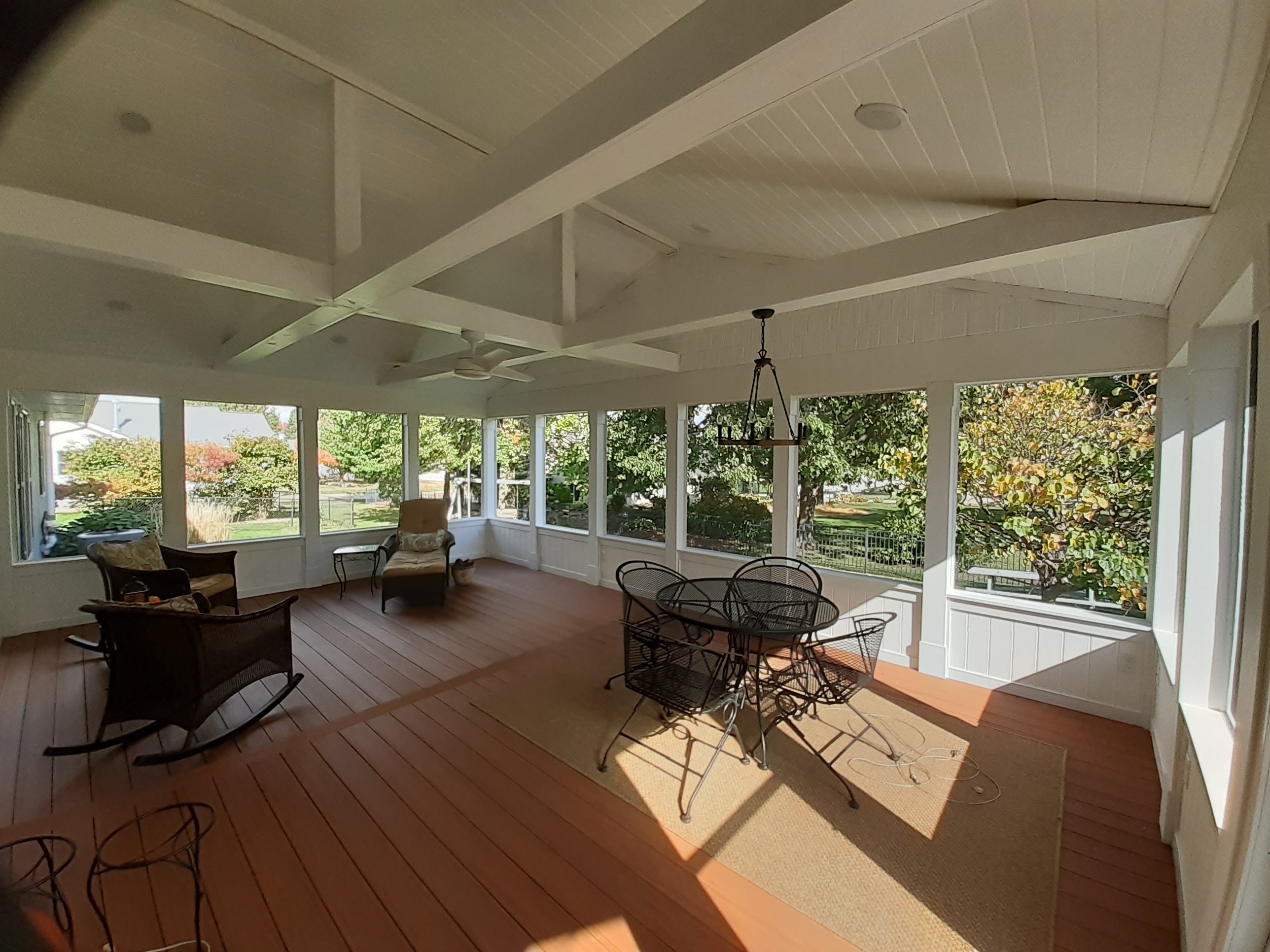
5. Improves Local Air Quality & Promotes Biodiversity Connection
Screens filter out dust, pollen, and debris while allowing fresh air to flow freely. This creates a cleaner micro-environment for spending time outdoors - without the indoor air-quality trade-offs of fully sealed additions.
By making outdoor living more appealing and accessible, a screened porch encourages closer connection to nature. Homeowners often add container gardens, herbs, or pollinator-friendly plants right on or near the porch, supporting local biodiversity in a protected setting. In coastal or humid areas, the ventilation helps prevent mold issues that sometimes arise in fully enclosed spaces, reducing the need for chemical cleaners or dehumidifiers.
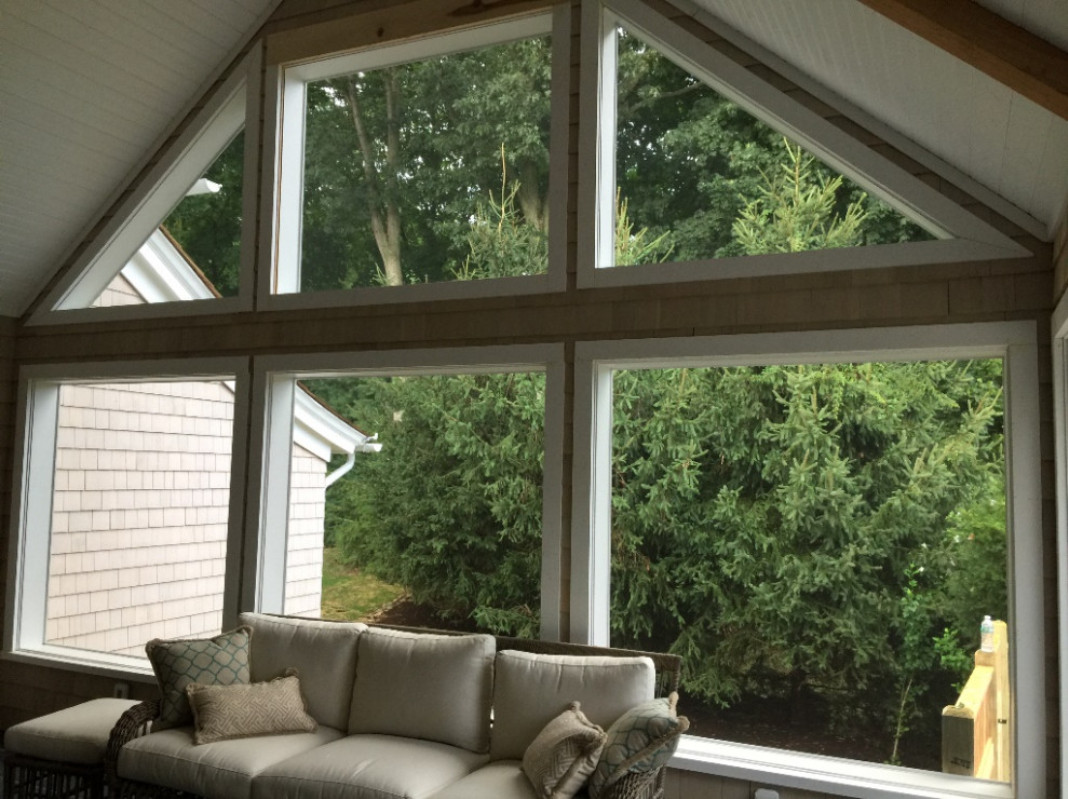
Making Your Screened Porch Even Greener
To maximize these benefits:
• Choose polyester screening for longevity.
• Add ceiling fans and energy-efficient LED lighting. A simple ceiling fan promotes natural airflow through the screens, making the porch feel cooler on warm days and extending comfortable use into shoulder seasons without turning on indoor AC. Pair it with LED lighting (which uses 75–90% less energy than traditional bulbs and lasts much longer) for beautiful evening ambiance while keeping electricity use minimal.
• Incorporate native plants and rain barrels nearby. Native plants are naturally adapted to your local climate, soil, and rainfall patterns, so they require far less supplemental watering, fertilizers, and pesticides once established. Rain barrels capture roof runoff to provide free, chlorine-free rainwater for irrigation. This combination supports water conservation, reduces stormwater pollution and erosion, and helps your porch garden thrive sustainably without straining municipal water supplies.
• Use SNAPP screen Track for fast, low-waste installation on existing structures. SNAPP screen Track is designed for quick, precise installation onto decks, porches, or irregular openings with virtually zero waste - no need for heavy new framing, excess lumber, or major site disruption. This minimizes construction-related material waste, energy use, and landfill contributions compared to traditional screening methods or full room additions.
Bottom Line
A screened porch is more than just a comfortable outdoor room - it’s a surprisingly effective way to reduce your environmental footprint. From lowering energy use and cutting pesticide reliance to conserving water and minimizing waste, it lets you enjoy more of the outdoors while treading lighter on the planet. With smart choices like SNAPP screen Track, native plants, and rain barrels, your screened porch becomes a true win for both your family and the environment.
Ready to build a more sustainable outdoor oasis? Explore SNAPP screen Track kits designed for easy, efficient screen projects that last. Many homeowners report loving their porch so much they use it daily, naturally shifting habits toward lower energy use.
Which of these environmental benefits surprises you most? Have you noticed energy savings or other green perks since adding (or dreaming about) your screened porch? Let us know - we’d love to hear your story!
FAQ on the Environmental Benefits of Adding a Screened Porch
Q1: Does a screened porch really save energy compared to a sunroom? Yes. Screened porches require no heating or cooling systems and act as a natural buffer that shades your home and promotes airflow, often lowering overall HVAC runtime. Sunrooms typically add significant energy costs for climate control.
Q2: How does a screened porch help reduce pesticide use? It creates a physical barrier against mosquitoes and other pests, so you can enjoy evenings outdoors without spraying chemicals on your yard or using repellents. This protects pollinators, soil, and local waterways from harmful runoff.
Q3: Are screened porches more eco-friendly than fully enclosed outdoor rooms? Generally yes. They use fewer materials (no heavy insulation or HVAC ductwork), generate less construction waste, and rely on passive ventilation instead of energy-intensive systems.
Q4: What materials make a screened porch even greener? Choose long-lasting polyester screen, corrosion-resistant aluminum or PVC framing, and low-VOC finishes. Adding native plants nearby further boosts biodiversity and water efficiency.
Q5: Can a screened porch help with local air quality? Absolutely. The screens filter dust and debris while allowing fresh air circulation, creating a cleaner micro-environment. This encourages more time outdoors and reduces reliance on indoor climate control.
Final Thought: A screened porch is one of the smartest eco-friendly home upgrades you can make - it lowers energy use, reduces pesticide reliance, conserves water, minimizes waste, and lets you enjoy more outdoor living with a lighter environmental footprint.
Try SNAPP screen Track on your next project - your customer will be happy and you'll become a regualer customer after one installtion.
SNAPP screen Track can be purchased from our growing family of select regional suppliers, lumber yards, hardware stores, as well as Amazon, Walmart, eBay, and direct from SNAPP screen.
Check out customer testimonials on YouTube
Get INSPIRED by real diy customer projects
Bibliography / Sources
- Jans Awnings. “Energy Efficiency Benefits of Screened-In Porches.” https://jansawnings.com/blog/energy-efficiency-benefits-of-screened-in-porches/
- Happy Eco News. “Bringing the Outdoors In: The Eco-Friendly Benefits of a Screened-In Porch.” https://happyeconews.com/bringing-the-outdoors-in-the-eco-friendly-benefits-of-a-screened-in-porch/
- Outdoor Woodworks. “Amazing Benefits of Screened Porches for Outdoor Living.” https://outdoorwoodworks.com/benefits-of-screened-porches/
- Xerces Society for Invertebrate Conservation. “The Risks of Pesticides to Pollinators.” https://www.xerces.org/pesticides/risks-pesticides-pollinators
- Nature Sustainability (study on pesticide impact on wild bees). https://www.nature.com/articles/s41893-024-01413-8