Safe Grilling on Decks, Balconies & Porches: Fire Code Rules & Best Practices
Safe Grilling on Decks, Balconies & Porches:
Fire Code Rules & Best Practices
Complete Guide to NFPA 1 and IFC Restrictions - Including Screened, 3-Season & 4-Season Porches
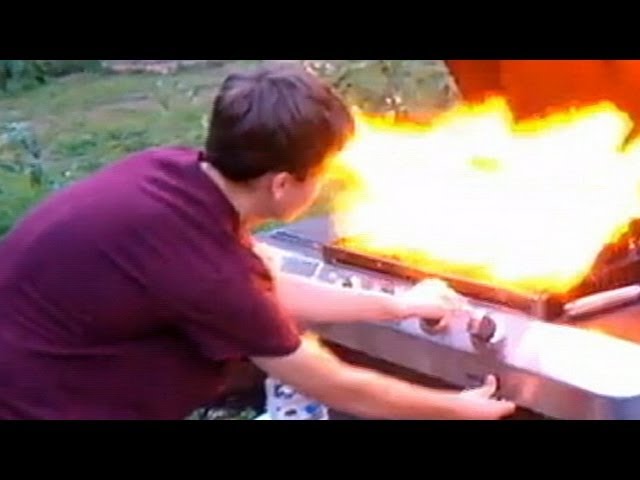
As Memorial Day weekend approaches and families across the country fire up their grills to kick off the official start of summer, the familiar smells of backyard cookouts and neighborhood gatherings fill the air. Grilling is a beloved tradition that brings people together, yet it also introduces significant fire risks. The National Fire Protection Association (NFPA) reports that U.S. fire departments respond to an average of more than 10,600 home fires involving grills, hibachis, or barbecues each year, with gas grills accounting for many of the incidents. More than one-quarter of structure fires involving grills originate on exterior balconies or open porches. These statistics underscore why model fire codes impose strict limitations on grilling locations, particularly in multi-family buildings.
The primary governing documents are NFPA 1 (Fire Code) and the International Fire Code (IFC). Both treat decks, balconies, and porches - whether open, screened-in, partially enclosed (3-season style with removable panels or screens), or fully enclosed (4-season sunroom-style with solid walls, windows, and roof) - under the same restrictive category for open-flame cooking devices. Screening or enclosure does NOT create an exemption or reclassify the space as “indoor” for code purposes. The prohibitions focus on preventing open flames near combustible construction and under overhanging portions of a structure.
Fire Code Restrictions
For one- and two-family dwellings (single-family homes and duplexes), NFPA 1 and the IFC generally permit gas, charcoal, pellet, and other open-flame grills on decks or porches, provided safe clearances are maintained: at least 10 feet from the main house structure, railings, eaves, overhangs, and combustible materials. Even in these settings, never use an outdoor-rated grill inside a fully enclosed 3- or 4-season porch due to carbon monoxide (CO) buildup and fire hazards.
In multi-family buildings (apartments, condos, townhomes with three or more units), restrictions are much stricter. NFPA 1 Section 10.10.6.1 states that for other than one- and two-family dwellings, outdoor cooking appliances - including hibachis, gas-fired grills, charcoal grills, pellet grills, and similar devices - shall not be used on any balcony, under any overhanging portion of a structure, or within 10 feet (3 m) of any structure. Storage of these devices on balconies or porches is also prohibited to reduce the temptation to use them. The IFC Section 308.1.4 similarly prohibits charcoal burners and other open-flame cooking devices on combustible balconies or within 10 feet of combustible construction.
This language applies uniformly regardless of whether the porch or deck is:
• Open to the elements,
• Screened-in with insect mesh,
• A 3-season enclosure with seasonal panels,
• Or a fully enclosed 4-season room.
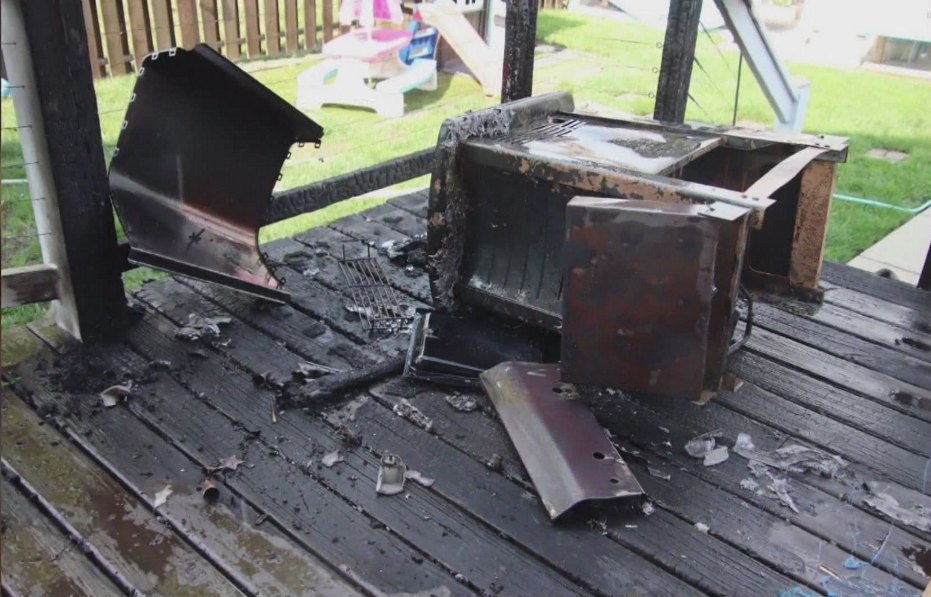
Local fire officials and code commentaries confirm that screening or enclosure does not override the balcony/overhang rule, as these areas remain extensions of the exterior structure. Enclosing the space can actually heighten risks by limiting ventilation, trapping smoke or CO, and increasing the potential for rapid fire spread among nearby combustibles like furniture, flooring, or curtains. Outdoor-rated grills (most gas and charcoal models) are explicitly not intended for use in any enclosed space per manufacturer instructions and NFPA guidance.
Limited Exceptions
Exceptions are narrow and vary slightly by jurisdiction and code edition:
• One- and two-family dwellings.
• Buildings (including the balcony/porch/deck area) fully protected by an approved automatic sprinkler system.
• Small LP-gas (propane) devices with containers having a water capacity of 2.5 pounds or less (nominal 1 pound of propane).
• Listed electrically powered cooking appliances (per UL 1026) in residential occupancies that are fully sprinklered throughout or constructed of Type I or Type II (non-combustible) materials. The 2024 NFPA 1 update expanded this allowance, permitting such listed electric grills to be used and stored on balconies or within 10 feet of the structure when operated per manufacturer instructions. However, even electric models must comply with any local size or listing restrictions (some older adoptions limit cooking surface to 200 square inches).
Pellet grills are typically classified with charcoal or gas devices and face the same restrictions. Permanently installed, listed equipment may be allowed only if it meets all listing, code, and manufacturer requirements. Violations can result in fines, insurance claim denials, or increased liability if a fire occurs.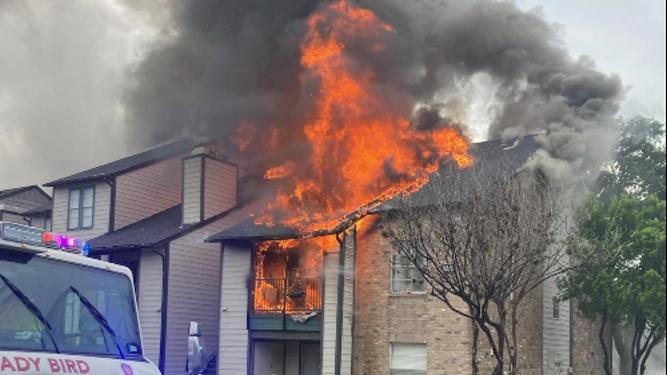
Best Practices Policy
Adopt these universal safety rules for all grill types (charcoal, gas/propane, pellet, electric) and all porch/deck configurations:
1. Placement and Clearances: Maintain at least 10 feet of clearance from the building, deck railings, eaves, overhanging branches, and any combustibles. Place the grill on a non-combustible pad. For screened or enclosed porches, treat the entire area as restricted for open-flame devices.
2. Supervision: Never leave any grill unattended, even for a moment. Keep children and pets at least 3 feet away.
3. Maintenance: Clean the grill thoroughly after each use to remove grease, which causes many flare-ups. Inspect gas hoses and connections regularly (use soapy water to check for leaks).
4. Fuel and Equipment Handling: For charcoal, use a chimney starter and allow ashes to cool completely before disposal in a metal container well away from structures. Store propane tanks upright outdoors (never on restricted balconies/porches in multi-family settings). Use only listed electric grills with proper GFCI protection.
5. Ventilation and Enclosed Spaces: Avoid using any outdoor grill inside screened, 3-season, or 4-season enclosures due to CO poisoning and fire risks. If attempting limited use in a single-family 3-season porch, ensure heavy cross-ventilation, but electric options are far safer.
6. Emergency Preparedness: Keep a Class ABC fire extinguisher, garden hose, or bucket of sand/water nearby. Maintain clear egress paths and familiarize yourself with building fire alarms and sprinklers.
7. Alternatives in Restricted Settings: In multi-family buildings, opt for listed portable electric grills (where permitted) or use designated community barbecue areas located safely away from structures.
Following this policy significantly reduces fire risk while promoting code compliance. Remember that local jurisdictions adopt NFPA 1 or the IFC with possible amendments, and HOA/condo rules or insurance policies frequently impose stricter bans—even on electric grills. Always check your local code by contacting your fire marshal, building department, or code official before purchasing or using any grill on a deck, balcony, or porch. Provide details about your building type, construction materials, sprinkler status, and exact porch configuration for a definitive ruling.
Safe grilling protects lives, property, and your entire community. Prioritize electric alternatives in restricted areas and enjoy outdoor cooking responsibly where codes allow.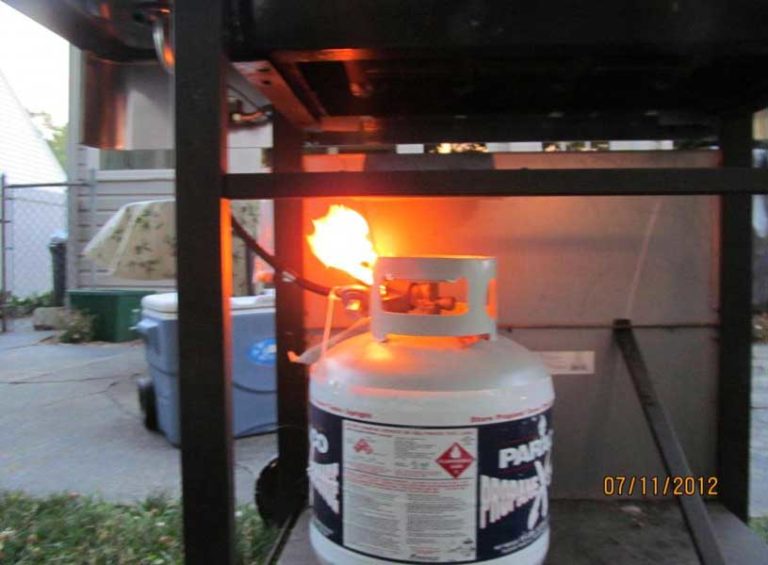
Common Questions
1. Can I use a charcoal grill on a screened-in porch in an apartment? No. NFPA 1 and IFC prohibit charcoal grills on any balcony, porch (screened or not), or within 10 ft of the structure in multi-family buildings.
2. Does enclosing a porch as a 3- or 4-season room allow gas grilling? No. Enclosure status does not exempt the area; it remains subject to the same balcony/overhang restrictions, plus added CO and ventilation hazards.
3. Are electric grills permitted on enclosed porches? Often yes - if listed to UL 1026, the building is fully sprinklered or non-combustible (Type I/II), and used per manufacturer instructions. Confirm locally first.
4. Do single-family homes face the same porch restrictions? No, 1- and 2-family dwellings have more flexibility, but safe 10-ft clearances and manufacturer rules still apply. Avoid outdoor grills in fully enclosed spaces.
5. Can I store a grill on a screened porch? Generally no in multi-family buildings per NFPA 1; storage is banned to prevent use.
6. Does a sprinkler system on the porch allow open-flame grilling? In many cases yes - if the sprinkler system protects the balcony/porch/deck area. Verify with local officials first.
7. How far must any grill be from the house or porch structure? At least 10 feet from the building, railings, eaves, and combustibles.
8. Why do codes ignore screening or enclosure? The rules target proximity to combustible construction and overhanging areas, not the presence of screens or panels. Enclosure can worsen ventilation and fire spread risks.
9. What if my HOA bans grills even when code allows them? HOAs and insurance policies can be stricter than model codes. Compliance with all three (code, HOA, insurance) is required.
10. What is the safest grilling option for someone with a screened or enclosed porch in a condo? A listed portable electric grill (where permitted) or a designated community grilling area away from buildings. Always consult your local fire department for your specific setup.
Final Thought
Grilling should be a joyful, community-building experience - not a source of tragedy. By understanding and respecting NFPA 1 and IFC rules on decks, balconies, and porches (screened, 3-season, or 4-season alike), you protect your home, your neighbors, and your peace of mind. Open-flame devices carry real dangers near combustible structures, but smart choices - like prioritizing listed electric grills where allowed and maintaining strict clearances - make safe outdoor cooking possible. Always verify with your local fire marshal, because no blog post replaces official guidance. Grill responsibly, stay vigilant, and keep the flames where they belong: safely away from your home. Safe grilling saves lives.
Bibliography
1. NFPA. “Fire Code Grill Requirements.” NFPA.org, updated May 2024.
2. International Code Council. International Fire Code (various editions, including 2021), Section 308.1.4.
3. NFPA 1 Fire Code (2024 edition), Section 10.10.6 (Cooking Equipment).
4. NFPA. “Grilling Safety Facts & Resources.” NFPA.org.
5. Additional claims drawn from code commentaries and fire department interpretations referencing NFPA 1 and IFC balcony/porch rules (including screened/enclosed treatments).