Spline Tools Are Easier Than You Think
Spline Tools Are Easier Than You Think
Part 2 of the series: Spline vs. The Hype
Debunking the "No-Spline" Marketing Nonsense
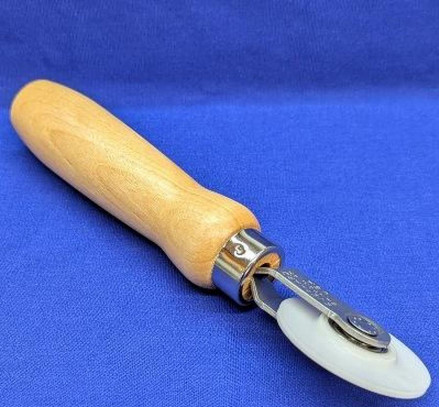
In Part 1 of this series, we cut through the noise and showed why traditional spline screening isn’t nearly as daunting as the marketing claims. Now in Part 2, we’re going straight after the “spline tool aura” - that mysterious intimidation factors the no-spline companies endlessly promote.
“No-spline” companies create a “problem” ... to sell their “solution”
They cleverly imply traditional spline installation is a nightmare - some backbreaking chore that demands mystical expertise and years of secret training. By repeatedly calling spline installation “cumbersome,” “tedious,” or “frustrating,” they plant doubt in consumers’ minds.
You’ll find their blogs and ads loaded with phrases like “No more fighting with spline,” “Eliminates the hassle of spline tools,” “So easy - no special tools required,” “Say goodbye to the hassle of cumbersome screen spline,” and so on ... and on ... and on.
The implied messaging is simple: spline installation using a spline tool is just too difficult. But luckily, they have a solution. It is effective marketing, and it’s largely manufactured hype to drive sales.
Spline Installation Is Not Complicated
Unfortunately for them, spline installation is no hardship. In fact, it’s a breeze and any DIYer can crush it in minutes with zero drama. There’s nothing to be intimidated by.
Traditional spline screening has been the go-to method for installing porch and window screens for decades because it is reliable, adjustable, and produces excellent results. It does not require any special “mystical” skill set. With even a basic spline roller (typically costing around $10) and maybe a bit of practice, DIYers can install tight, professional-looking screens fairly quickly. The process is straightforward, repeatable and not difficult.
What Real Users Are Saying
Real customer feedback tells a different story than the advertisements. Do a simple web search on spline tools or screen installation using traditional spline and spline tools. You’ll find plenty of comments on home improvement forums, box store and Amazon reviews, etc. explaining spline installation, using a spline tool, was no big deal. Do a simple YouTube search and you’ll be flooded with real life people explaining how they used a spline tool without difficulty.
- “The spline tool is not nearly as difficult as they make it seem. Once you get the hang of the angle it rolls right in. Did all my window screens in short time”
- “People make spline sound way harder than it is. Bought an $8 roller from Amazon and it was straightforward. First screen took a little practice; the rest were easy.”
- “I’m 70 and not very handy. The spline roller was surprisingly easy to use. Watched a 5 minute YouTube video and had no issues installing new screens on my porch.”
- “Honestly, it was way simpler than expected. Took me longer to cut the screen straight than to roll the spline in.”
Hear from our own customers how easy installtion actuially is.
- "My wife and I are 60 and the porject was quite easy for us to complete"
- "I mean, I did it".
- "SNAPP screen was the easyier one to use"
How Simple the Process Really Is
You don’t need years of experience. Here’s the basic workflow with a quality system like SNAPP screen Track:
1. Gather your tools: screen material, spline, spline roller, and utility knife.
2. Hold screen up to the top corner and press in spline to hold in place.
3. Extend and hold screen outwards, roll screen into Track using spline tool, then follow by rolling in spline.
4. Repeat process for the bottom, then sides.
5. Trim the excess screen when finished.
Most first-time users report the technique feels natural after just one or two panels.
Watch how simple the screen spline installation process really is.
Future Repairs
One real cool feature of the tried-and-true spline installation - repairs are simple. Pull out the spline and install new screen. Those “No-Spline” guys never seem to mention how PVC caps have a big problem, caps can shatter or splinter. Especially after being in the sun for a time or during "cold" weather. Any basic internet search will dig up dozens horror stories about shattering caps … even during installation. Funny point, one of these "no spline" companies evens warns of this achilles heal in their instructions.
The Bottom Line
The “no-spline” companies have done a great job creating an aura of difficulty around a decades-old, well-proven method. But the evidence is clear: spline installation is not an elite skill. It’s a simple technique that any DIY’er can handle. When paired with a well-designed track like SNAPP screen Track, it delivers superior tension, easier repairs, and proven long-term performance.
Don’t let slick marketing scare you away from the better, reliable, well-tested solution. Order your SNAPP screen Track screen porch screening kit and try it for yourself. That so-called “mystique” will disappear by the end of your first panel.
SNAPP screen Track can be purchased from our growing family of select regional suppliers, lumber yards, hardware stores, as well as Amazon, Walmart, eBay, and direct from SNAPP screen. Start enjoying bug-free bliss that lasts.
Check out customer testimonials on YouTube
Get INSPIRED by real diy customer projects
FAQ: Common Questions About Spline vs. No-Spline Screening Systems
| Aspect | No Spline / Cap Based Systems | SNAPP screen Track |
|---|---|---|
| Retention | Fitted cap - 1 size | Variable sized spline |
| Screen Options | Limited | Almost any - Polyester screens are best |
| Installation | Saw / Cut Cap, hammer in place | Lay screen, roll spline |
Q1: Are there different spline tools on the market? Yes. Spline tools come in several styles, including nylon wheel, metal wheel, concave, and convex designs. Prices typically range from just a few dollars for basic models up to $50–$60 for higher-quality versions.
Q2: Are there different types of spline available? Yes. Spline is available in a variety of sizes and styles to fit different screen frame grooves and applications.
Q3: Are there different installation methods? In most cases, no. The installation technique is essentially the same across standard screen porch systems: you simply roll the correct size and shape of spline into the groove to securely hold the screen in place.
Q4: Can spline be reused? Yes, most quality spline can be reused multiple times over a long period. However, damaged spline should not be reused.
Final Thought: Use the correct size spline tool with the matching spline, and your screening experience will be straightforward and frustration-free.